Why Does My Child Keep Using the Wrong Fingers on Piano?
Quick answer: a beginner may keep changing piano fingers because finding the note, reading the page, remembering the rhythm, and choosing a finger are still separate jobs. Do not correct every finger through the whole song. Choose one short group, name the starting finger, practice the same motion three calm times, and then place that group back into the music.
Using a different finger once is not automatically a problem. The useful question is whether the change makes the next notes harder, causes the hand to twist or run out of fingers, or keeps the child from playing the same passage reliably. Consistent fingering is a map for movement. It should make a musical idea easier to repeat, not turn practice into a finger-number test.
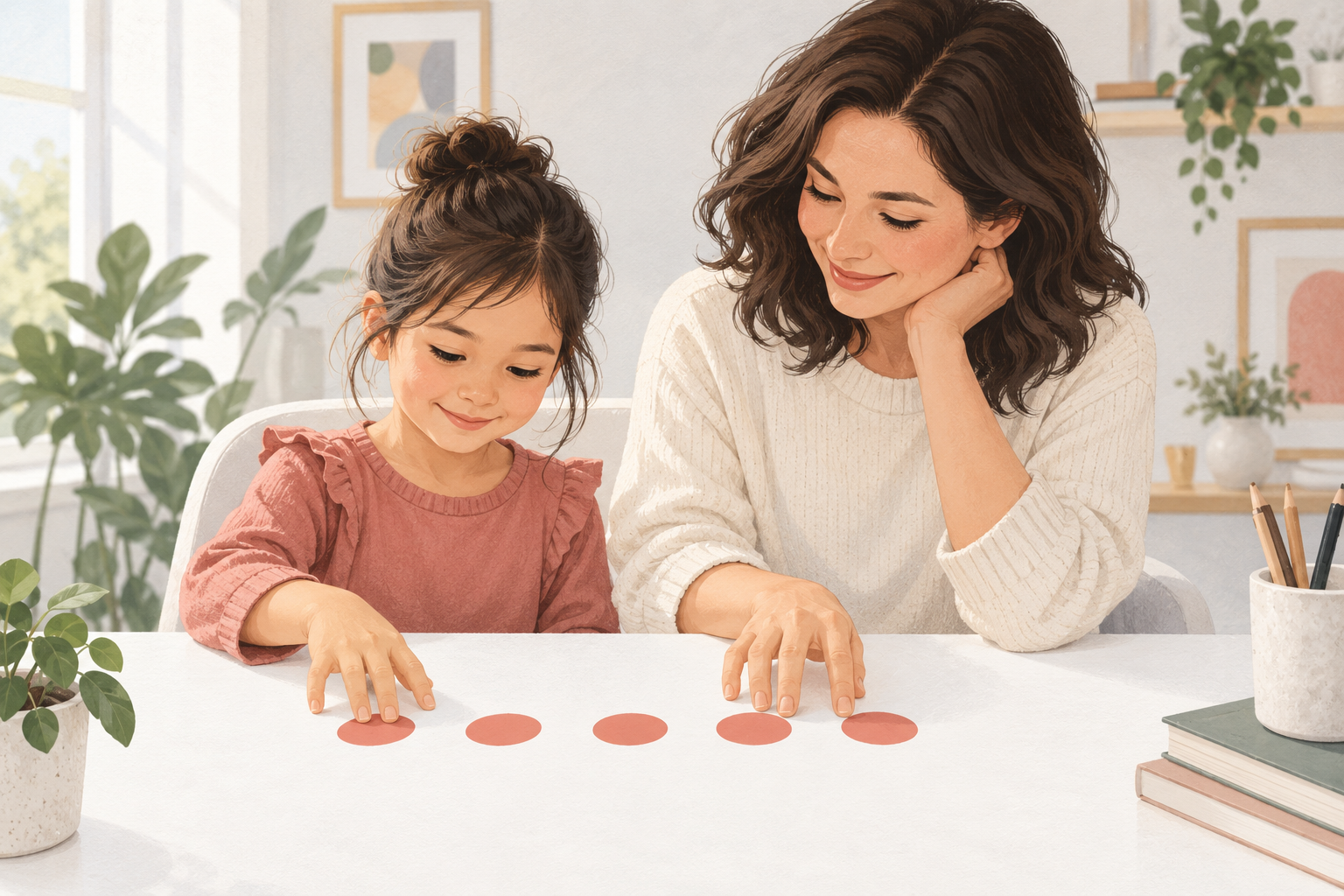
Why do beginner pianists use the wrong fingers?
Young beginners are coordinating several kinds of information at once. They may be reading whether the notes move up or down, searching for keys, keeping a beat, remembering what comes next, and watching for a teacher's finger numbers. When attention gets crowded, the child often chooses whichever finger is closest or strongest in that moment.
That can produce a passage that sounds correct once but feels different every time. The child may start with the right finger and then substitute another, stretch awkwardly instead of moving the hand, or reach the end of a group with no comfortable finger left. Sometimes the fingering is not the real problem at all: the section may be too large, the starting position may be unclear, or the child may not yet recognize the note pattern.
When does piano fingering really matter?
Fingering matters most when it prepares the next movement. A good choice helps the hand stay comfortable, connects notes smoothly, and makes the passage repeatable. Pay attention when:
- The same spot breaks down each time. A late finger substitution may be creating the pause.
- The hand twists, collapses, or stretches sharply. The child may be solving one note at the expense of the next one.
- The child runs out of fingers. The starting choice may not match the direction of the phrase.
- The passage changes on every repetition. A stable motion has not formed yet.
- The teacher marked a specific finger. That marking usually prepares an upcoming note, position change, or musical shape.
If your child plays almost everything with a single finger, start with why one-finger piano playing is common. If the main concern is hand shape rather than finger order, see the guide to flat fingers in beginner piano.
A five-minute “same fingers” practice routine
Choose three to five notes from the exact place where the fingering changes. Keep the goal small enough that the child can notice the movement rather than survive the whole song.
- Find the starting position. Ask the child to point to the first note and place only the starting finger. Check the assignment or teacher's marking instead of guessing.
- Say the finger pattern once. Use the same numbering language the teacher uses. On piano, thumbs are usually called finger 1, then the numbers move outward to finger 5 on each hand.
- Play the tiny group slowly. Stop after three to five notes. Notice whether the hand is ready for what comes next.
- Repeat the same motion three calm times. Reset the hand before each try. Consistency matters more than speed.
- Reconnect the music. Add one note before and one note after the group. If the fingering disappears again, make the group smaller.
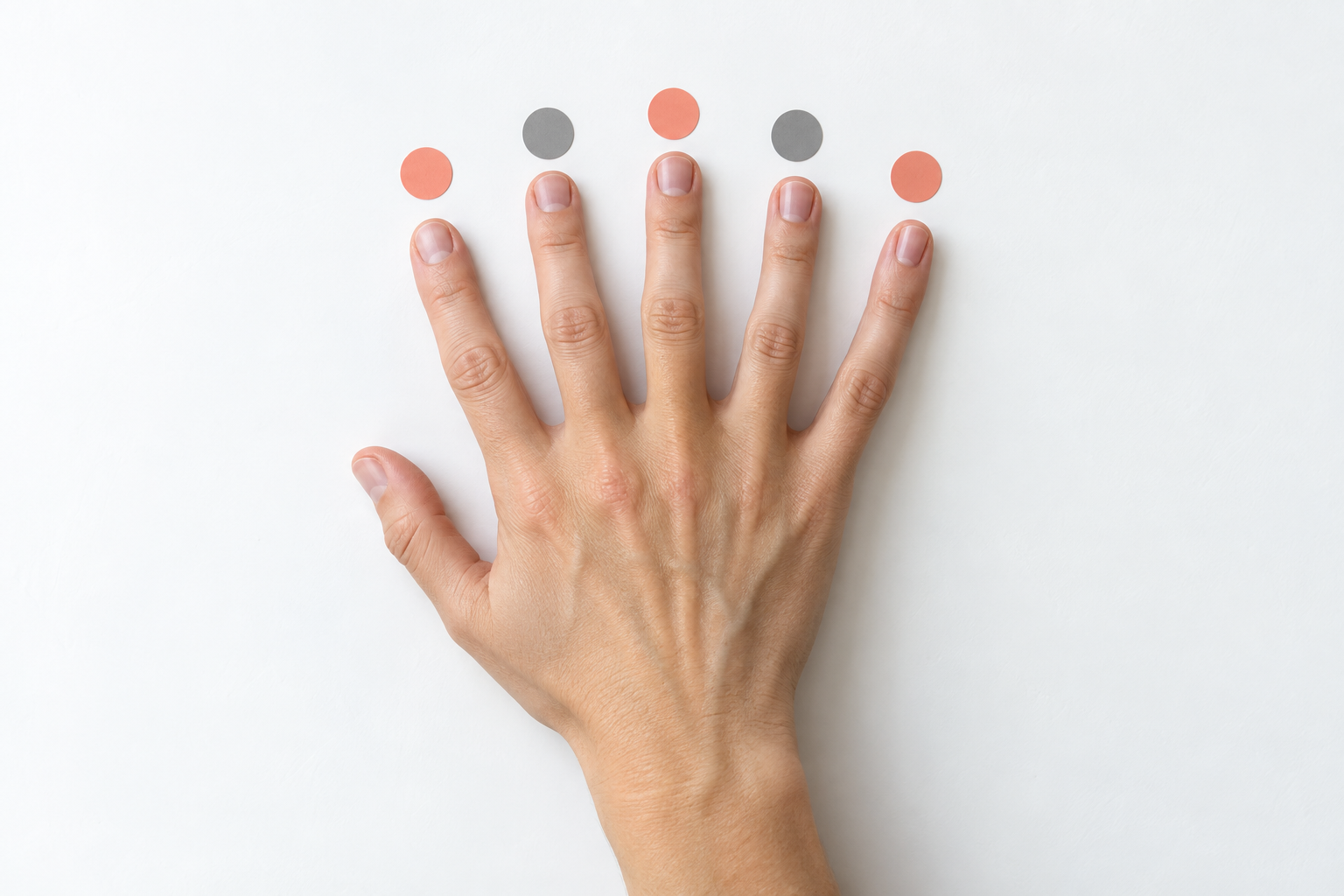
This routine is not about drilling finger numbers in isolation for a long time. It helps the child connect one consistent choice to a short musical movement, then returns attention to the sound.
Should parents call out finger numbers while a child plays?
Calling out every finger can help for one slow demonstration, but it can also add another voice for the child to follow. Instead, cue the starting finger, let the child try the small group, and ask what they noticed. If they need support, say the short pattern together once, then fade your voice.
Avoid pointing at each key while also saying note names and finger numbers. Too many cues can make the child wait for the parent instead of reading and preparing the movement. Use one cue for one goal.
What if the printed fingering feels awkward?
Do not erase or replace it immediately. First check whether the child started in the intended position and whether the marked finger prepares a later note. Hand size, a position change, or the way a teacher groups the phrase can affect the choice.
Write down the exact measure and ask the teacher: “This fingering feels awkward when the hand moves to the next note. Should we keep it, or is there another pattern you want?” That is more useful than practicing an unconfirmed alternative until it becomes automatic.
What should parents avoid?
- Do not stop the child after every wrong finger. Listen first and choose one short place to fix.
- Do not write a finger number over every note. A small starting clue can help, but covering the page with numbers may replace note reading with number following. See when to use and fade written note-name clues; the same “small clue, then fade it” principle applies.
- Do not force a rigid hand position. Look for a comfortable, prepared movement rather than a frozen shape.
- Do not make speed the reward. A fast repetition with a different motion each time is harder to trust.
- Do not invent a new fingering when the assignment is unclear. Mark the question for the teacher.
How consistent fingering supports musical independence
Finger numbers are not the final goal. They are temporary navigation tools that help a beginner organize movement while reading notes, keeping rhythm, and listening. As the pattern becomes familiar, the child should need fewer spoken reminders and be able to restart from a clear place.
That gradual shift—from following a cue to owning the movement—is one sign of healthy progress. iPianoLab's beginner approach builds keyboard geography, rhythm, note reading, coordination, and songs together so each new skill has a musical purpose.
Frequently asked questions
Are finger numbers the same for both hands on piano?
Yes. The thumb is finger 1 and the pinky is finger 5 on both hands, so the numbered direction looks mirrored when the hands face the keyboard.
Is it bad if my child uses a different finger?
Not every substitution is harmful. It matters when the change creates tension, a pause, an awkward reach, or an unreliable passage. Follow the teacher's marking for assigned music and ask when a choice feels uncomfortable.
Should I write finger numbers on every piano note?
Usually not. Marking a starting finger or one important change can be useful, but too many numbers may keep the child from reading note direction and recognizing patterns. Use the smallest clue that solves the problem, then fade it.
Why does the correct fingering disappear the next day?
The motion may not be stable yet, especially if it was practiced only inside a long song. Return to the smallest note group, reset the starting position, and repeat the same movement a few calm times before reconnecting it.
When should I ask the piano teacher for help?
Ask when the printed choice causes repeated discomfort, when the child cannot tell where the hand should begin, or when the same short section remains inconsistent after several focused attempts. Bring the exact measure so the teacher can see the movement.