How Many Days a Week Should a Child Practice Piano?
For many beginner children, four or five short piano practice sessions each week is a practical starting point. Consistency matters more than forcing a long session every day. A child who returns to one clear skill several times during the week can build familiarity without turning piano into a nightly struggle.
That does not mean every child needs the same schedule. The right number of days depends on the assignment, the child's attention, the lesson format, and how much support is needed at home. Some weeks may include five focused sessions. A busy week may include three useful sessions and one quick review. The goal is a repeatable rhythm that keeps the next lesson from feeling like a complete restart.
This guide gives parents a simple weekly plan, explains how long a short practice can be, and shows when to adjust the routine.
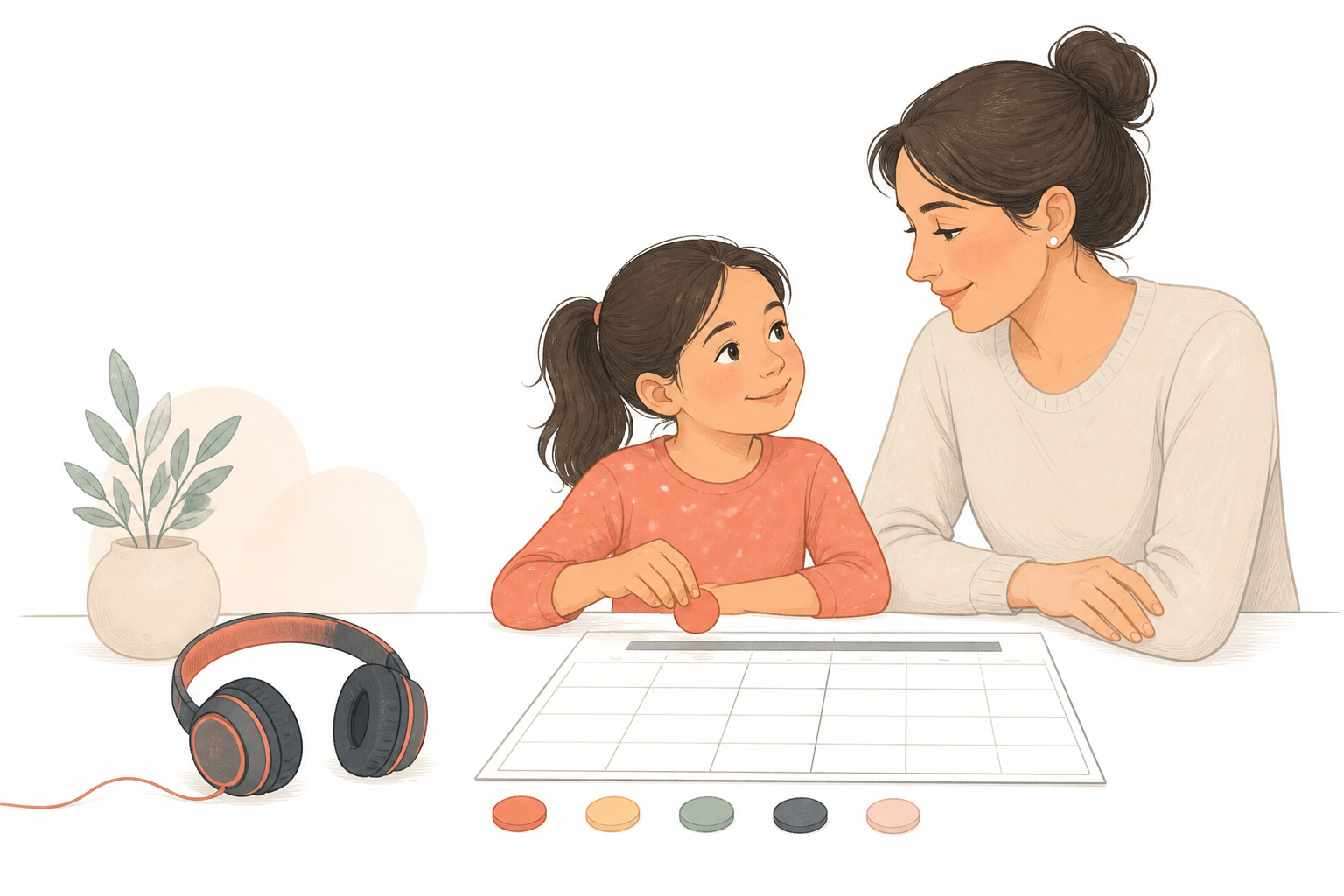
How often should a child practice piano? The short answer
Start with four or five days a week, using short sessions that end while the child can still succeed. Beginners usually benefit more from returning to a small task across several days than from saving all practice for one long weekend session.
Think of practice as remembering and reconnecting, not proving how long a child can sit still. Each session can have one job:
- Find the starting place
- Clap or count one rhythm
- Repeat one short pattern
- Play one familiar section
- Notice what became easier
A clear five-minute session can be more useful than twenty distracted minutes. If the teacher assigns a different plan, follow that plan first. The weekly rhythm below is a parent-friendly baseline, not a rule that replaces the teacher's guidance.
A simple four- or five-day piano practice plan
Families do not need to make every practice day identical. A little variety can help the child revisit the same music without feeling stuck in a loop.
| Practice day | Main focus | Parent prompt |
|---|---|---|
| Day 1 | Remember the lesson | “Show me the first step your teacher gave you.” |
| Day 2 | Work on the smallest hard part | “Which two notes, beats, or movements need a slow try?” |
| Day 3 | Repeat a successful section | “Can you play the part that feels most comfortable?” |
| Day 4 | Connect two short sections | “Where can these two pieces join?” |
| Optional Day 5 | Play through and choose a question | “What would you like to ask at the next lesson?” |
This plan keeps the first practice close to the lesson, gives the child several chances to remember, and turns the final session into preparation for the next step. It also makes missed days easier to handle: skip the label, keep the purpose, and continue.
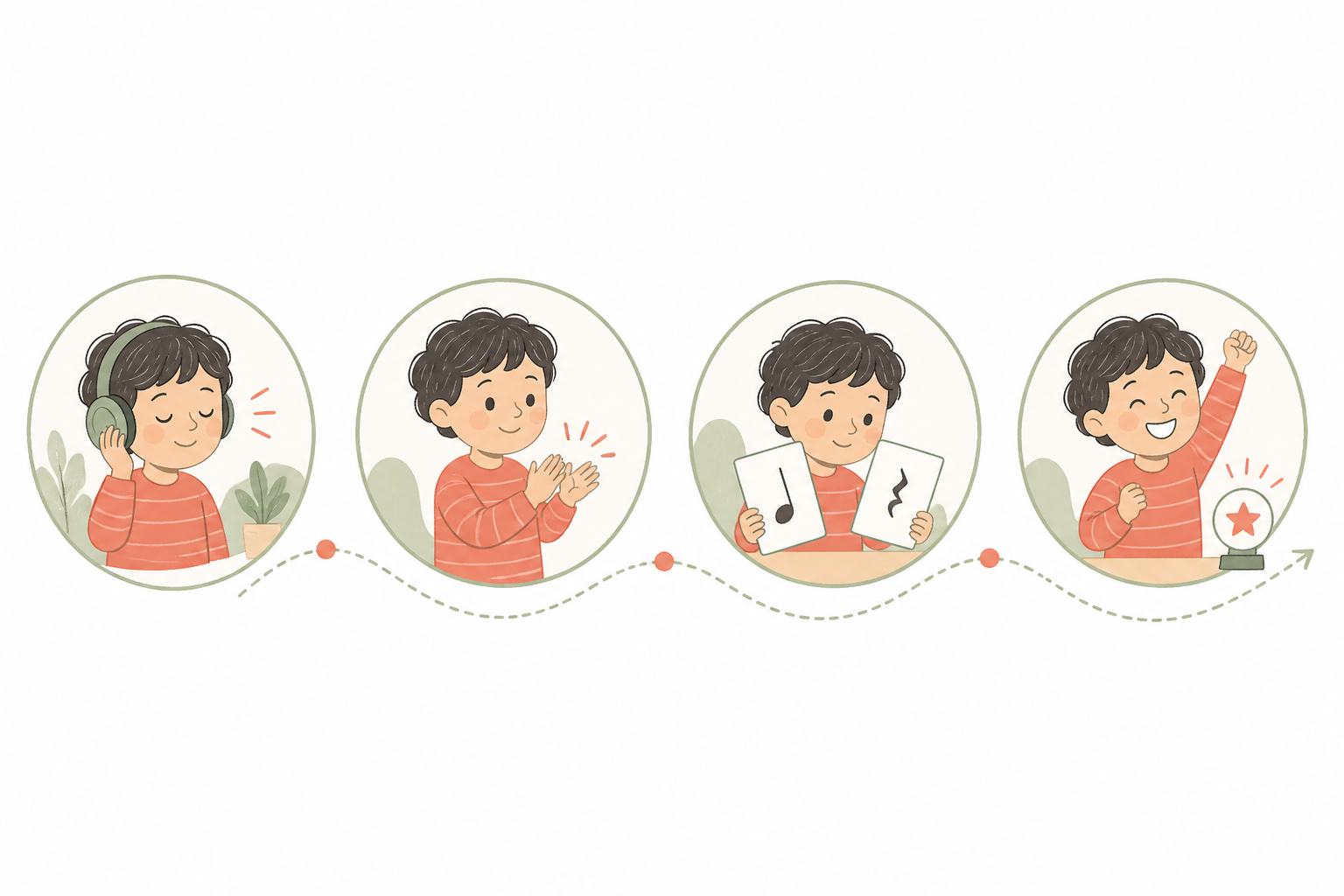
How long should each practice session be?
There is no single practice length that fits every beginner. Start with enough time to complete one small, specific task. For a young or brand-new student, that may be only a few focused minutes. As attention, coordination, reading, and the assignment grow, the session can grow too.
Use the child's behavior to judge the length:
- The session may be too short if the child stops before finding the assignment, never repeats anything, or finishes without remembering what the lesson covered.
- The session may be about right if the child can begin, work on one clear goal, repeat it, and finish with a sense of progress.
- The session may be too long if accuracy falls, posture collapses, the same mistake speeds up, or the child becomes too frustrated to listen and adjust.
Do not extend a successful session simply because the timer has time left. Stopping after a real win helps the child return with less resistance tomorrow.
If you are also deciding how long the formal lesson should be, see our separate guide to 30-, 45-, and 60-minute piano lessons for children. Lesson length and home-practice length solve different problems.
Is practicing every day necessary?
No. Daily practice can work well for a family that likes a steady routine, but missing a day is not failure. Piano progress depends on returning to the right task often enough to remember, adjust, and build control. A sustainable four- or five-day plan is usually better than promising seven days and arguing through most of them.
Daily contact also does not have to mean a complete performance. One day might be a full assigned practice. Another could be a brief rhythm review, a careful listen, or one slow repetition. The child should still touch the actual lesson goals across the week; quick activities are useful supports, not permanent substitutes for playing.
What if your family can manage only three days?
Use the three days deliberately:
- Practice soon after the lesson. This is the best time to check that the child understands the assignment.
- Return to the hardest small section. Slow it down and separate the steps if needed.
- Practice before the next lesson. Review what improved and write down one question.
If the child repeatedly forgets everything between sessions, three days may not provide enough repetition for the current assignment. Add a very short review day before making the existing sessions longer. If three days works and the child arrives prepared, there is no need to add days merely to satisfy a chart.
Build the routine around a reliable cue
“Practice later” is hard for adults and children to remember. Attach piano to a stable part of the day:
- After the school snack
- Before screen time
- After homework and before dinner
- While a sibling is getting ready for bed
- At the start of a weekend morning
Choose a cue that already happens. Keep materials ready, headphones accessible, and the teacher's assignment visible. The routine should remove setup decisions, not add another complicated system.
iPianoLab's beginner path builds keyboard geography, rhythm, counting, note reading, coordination, melody, chords, and music literacy through manageable levels. A clear weekly routine helps children return to those skills without expecting parents to reteach the lesson.
What should a parent do during practice?
Support the routine, then let the child do the musical thinking. Parents can help by naming the first step, reducing distractions, and asking the child to explain the assignment. Try prompts such as:
- “What are you working on today?”
- “Can you show me the starting place?”
- “Would it help to clap that first?”
- “Which part improved?”
- “What should we remember to ask next time?”
Avoid correcting every note from across the room. If you are unsure what the teacher intended, write down the question instead of inventing a new method. Our guide to helping a child practice without becoming the teacher offers more ways to support independence.
How to reset a practice schedule that is not working
If practice has become a daily argument, do not begin by adding time. Make the next step smaller and clearer.
- Choose one goal. Replace “practice piano” with “clap this rhythm twice” or “play these four measures slowly.”
- Lower the starting barrier. Put the assignment and materials in place before calling the child.
- Offer a useful choice. Let the child choose whether to begin with listening, rhythm, or the familiar section.
- End after a repeatable win. The child should know what went better and what comes next.
- Tell the teacher what happened. Repeated conflict may mean the assignment needs a clearer explanation, a smaller section, or more guided work in the lesson.
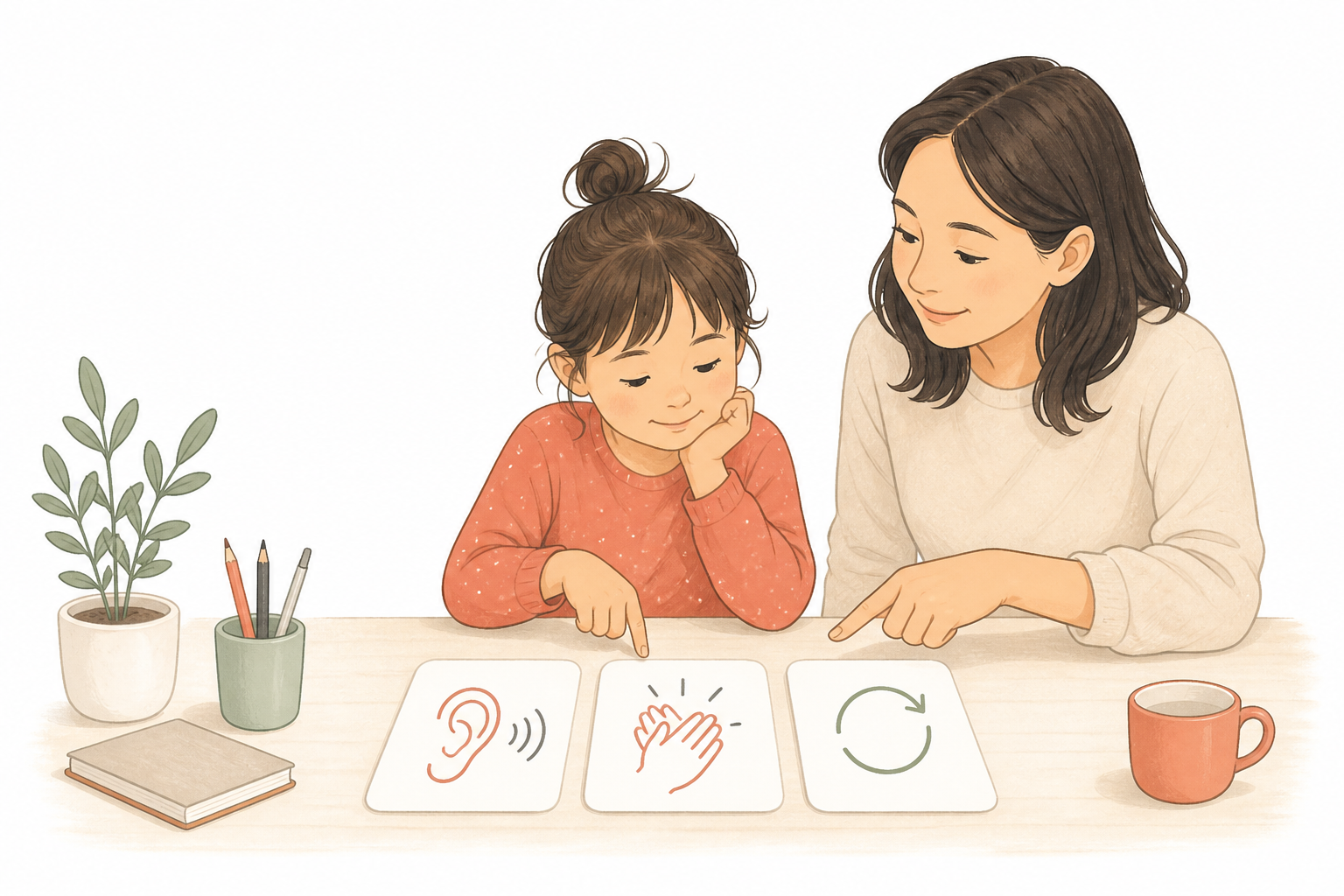
Signs the weekly practice rhythm is working
Do not judge the schedule only by minutes. Look for observable changes:
- The child can begin with fewer reminders
- The starting place is easier to find
- A short section sounds or feels more controlled
- The child can explain the current goal
- Mistakes lead to a slower retry instead of a shutdown
- The next lesson begins with recognition rather than complete relearning
If those signs are present, the schedule is doing its job. If not, ask whether the issue is frequency, session length, assignment clarity, difficulty, timing, or the lesson format. Changing the correct variable is more helpful than simply demanding more practice.
Frequently asked questions
How many days a week should a beginner child practice piano?
Four or five short sessions per week is a practical starting point for many beginners. Adjust the plan based on the teacher's assignment, the child's attention, and whether the child is remembering and improving between lessons.
Is three days of piano practice enough?
Three well-planned sessions can be enough for a manageable assignment, especially when one happens soon after the lesson and another happens before the next lesson. If the child keeps forgetting the material, add a short review day before lengthening every session.
Should a child practice piano seven days a week?
Not necessarily. Daily practice can suit some families, but it is not the only path. A consistent routine with rest and flexibility is better than a seven-day promise that creates conflict or careless repetition.
What if my child practices but does not improve?
Check whether the task is specific enough. Repeating an entire piece from beginning to end may rehearse the same difficulty. Ask the teacher to identify the smallest section, the target skill, and what a correct slow repetition should feel or sound like.
How often should kids take piano lessons?
Lesson frequency is different from home-practice frequency. Many beginner programs meet weekly, with short practice sessions between lessons. Read our guide to lesson frequency for that decision.
Choose a rhythm your child can repeat
The best practice plan is not the strictest one. It is the one that helps your child return to a clear musical goal often enough to remember, improve, and feel ready for the next lesson. Start with four or five short sessions, protect one small win in each, and adjust from real progress rather than pressure.
Explore iPianoLab programs and choose a beginner path for your child. Families who want a flexible home option can also review iPianoLab online learning.