How Much Do Kids Piano Lessons Cost? A Parent Guide to Choosing the Right Format
If you are comparing piano lessons for your child, cost is usually one of the first practical questions. The honest answer is that kids piano lessons do not have one fixed price. The total depends on the lesson format, teacher involvement, class size, materials, schedule, and how much support your child needs between lessons.
For most beginners, the better question is not just how much do piano lessons cost? It is what kind of piano lesson will keep my child learning long enough to make real progress? A lower monthly price is not a bargain if your child feels lost, avoids practice, or quits after a few weeks.
The Quick Answer: What Should Parents Budget?
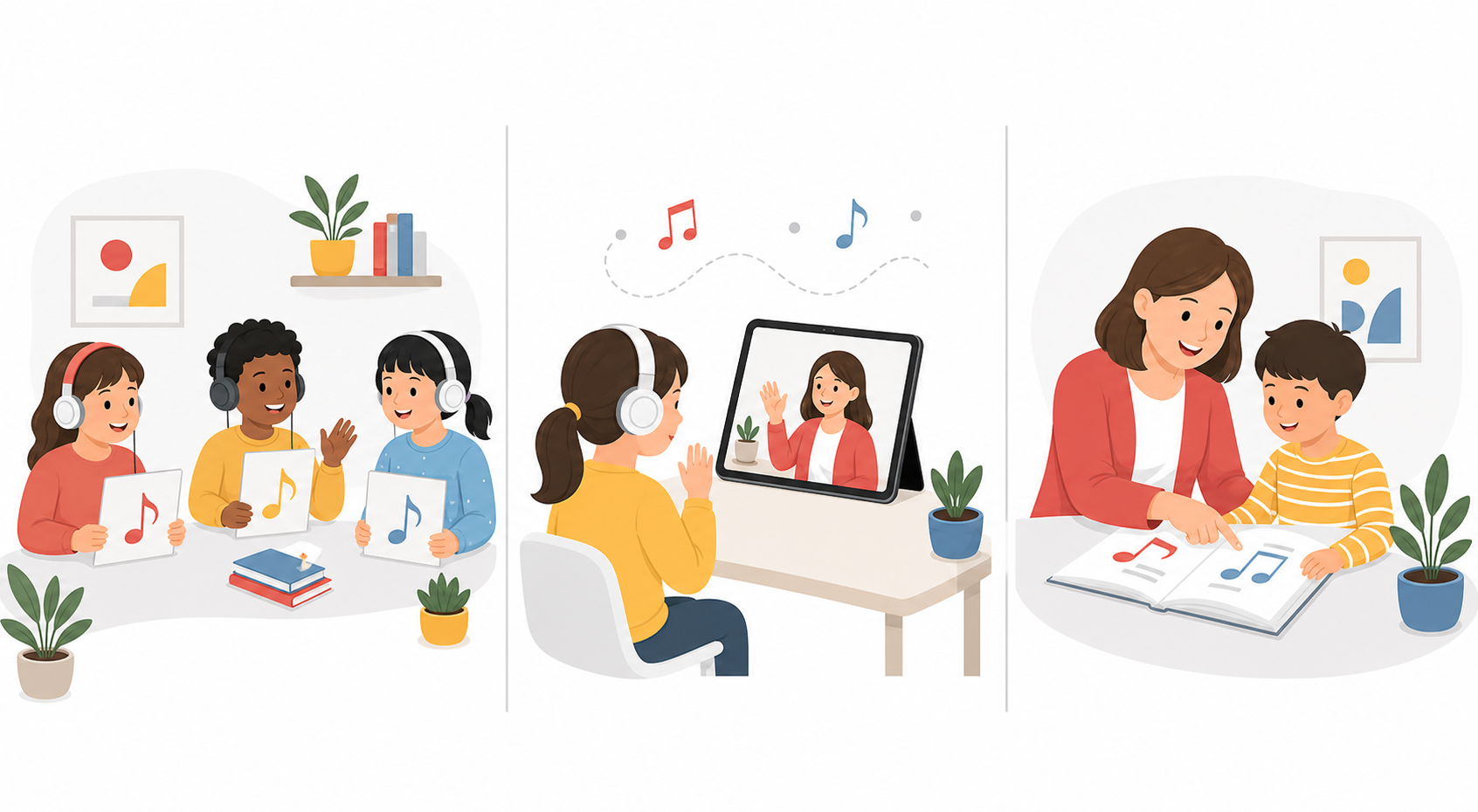
A beginner family can usually compare four broad options: self-paced video learning, online small group lessons, private one-on-one lessons, and after-school piano enrichment. Each format solves a different problem.
On the current iPianoLab online piano lessons page, families can see examples of online program pricing: video-library access starting at $29 per month, small group lessons at $139 per 6 weeks, and private 1:1 online lessons starting at $150 per month. School-based after-school programs can vary by location, school calendar, and registration setup, so parents should check the class page or school enrollment details for the exact session price.
That range gives parents a useful starting point: pay less when your child mainly needs guided practice and access to songs, pay more when your child needs live feedback, scheduling flexibility, or individual attention.
What Changes the Cost of Kids Piano Lessons?
1. Class size
Private lessons usually cost more because the teacher is focused on one student the entire time. Group piano lessons can be more affordable because students share the live teacher time while still getting structure, peer energy, and accountability.
For many beginners, group learning is not a downgrade. It can actually help kids feel less pressure, especially when the class is designed around short wins, familiar songs, and active participation. If you are weighing the tradeoff, see our guide to group piano lessons vs. private lessons.
2. Teacher involvement
A video library is usually the lowest-cost option because it does not require a live teacher at every practice session. A live online class or private lesson costs more, but the teacher can spot confusion, adjust pacing, encourage a nervous student, and help a child recover when something feels hard.
For a child who is highly self-motivated, video support may be enough at first. For a child who needs routine, confidence, or help staying on task, live guidance is often worth the difference.
3. Materials and setup
Some programs require parents to buy books, print music, bring equipment, or purchase a larger instrument than a beginner really needs. That can change the real cost of starting lessons.
The iPianoLab FAQ notes that after-school classes provide keyboards, headphones, books, music, and learning materials during class. It also recommends having a keyboard at home for practice and says a suitable beginner keyboard can often be found for under $100. If you are shopping for a first instrument, start with our guide on whether beginners really need an 88-key keyboard.
4. Schedule flexibility
Flexible private scheduling can cost more because it gives the family more control. Group lessons and school programs may be more structured, but that structure can be helpful for children who thrive with a predictable weekly routine.
5. The program's beginner method
A polished beginner method can save money over time because the first few weeks are where many children decide whether piano feels fun or frustrating. If the method gives students songs they like early, then builds rhythm, keyboard geography, counting, chords, and note reading around those songs, the student is more likely to keep going.
Which Lesson Format Is Best for Your Budget?
Video library only: best for flexible, low-cost exploration
A video library is a good starting point when your child wants to try piano, your schedule is unpredictable, or you want practice support between live lessons. It works best when a parent can help set a routine and the child is comfortable following short video steps.
Online small group lessons: best balance of cost, structure, and motivation
Online small group lessons are often the strongest middle option for beginners. Kids get a live class, a clear weekly rhythm, peer motivation, and access to online materials without the higher cost of fully private instruction.
This format is especially useful for children who like social learning, need accountability, or feel more confident when they are not the only beginner in the room.
Private 1:1 lessons: best for individual pacing
Private lessons are the better fit when a child needs customized pacing, has a specific goal, is moving quickly, or needs extra teacher attention. Private lessons can also work well for families with complicated schedules.
For a brand-new beginner, though, private lessons are not automatically better. The teacher, method, and practice routine matter more than the label.
After-school piano enrichment: best for convenience and routine
After-school piano programs can be a strong value because they remove the commute to a separate lesson, place music inside the school week, and give children a consistent class environment. In iPianoLab after-school classes, students commonly meet once weekly for one hour, and each level includes six lessons.
Parents who are comparing school-based options can also read what to look for in an after-school piano enrichment program.
A Simple Parent Checklist Before You Pay
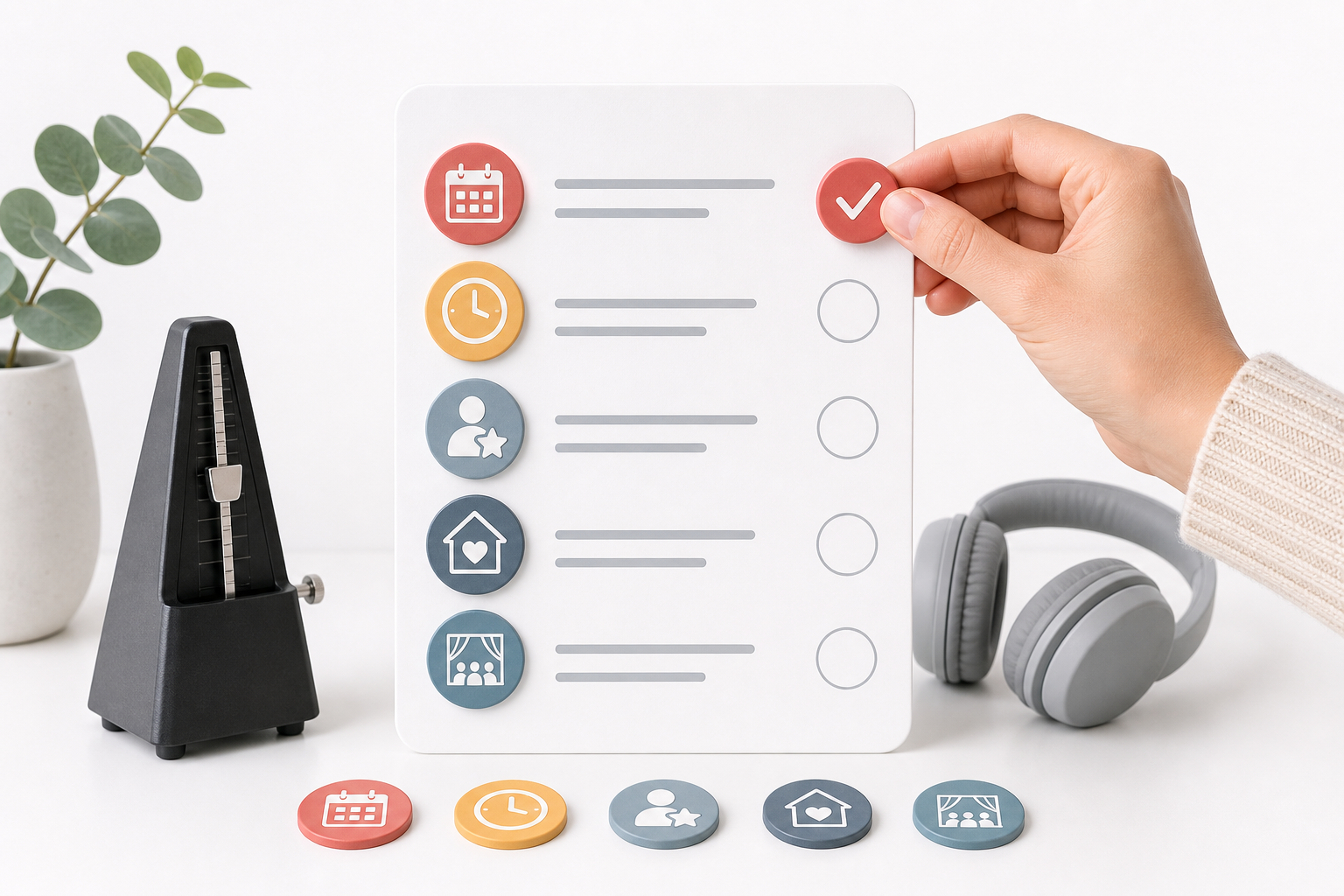
- Is the program beginner-friendly? Your child should not need prior music experience to feel successful.
- Will my child play real songs early? Early musical success is one of the best ways to build motivation.
- Are materials included? Books, music, videos, and learning tools can affect the real cost.
- Is home practice realistic? A short, repeatable practice routine beats a complicated one.
- Does the format fit our schedule? The best lesson is the one your family can actually attend consistently.
- Is there a clear next step? Look for levels, milestones, recitals, or progress markers.
What Is the Best Value for a Beginner?
The best value is usually the format that gives your child enough support to stay confident without overbuying more lesson time than they need. For many beginners, that means starting with a structured group class or online small group lesson, then moving into private support if the child needs more individual pacing.
If your child is shy, very young, or unsure whether piano is for them, look for a program that builds confidence through small wins. If your child already loves music and wants to move quickly, private instruction may make sense sooner. If you are still deciding whether your child is ready, use our parent readiness guide for starting piano lessons.
FAQ: Kids Piano Lesson Costs
Are online piano lessons cheaper than in-person lessons?
They can be, especially when the format is a video library or small group class. Online lessons can also save travel time, which matters for busy families.
Are group piano lessons worth it?
For beginners, yes, when the class is structured well. Group lessons can lower pressure, make practice feel social, and give kids a weekly routine.
Do I need to buy a full piano before starting?
No. Many beginners start on a keyboard. The important thing is that your child has a reliable instrument for home practice, even if it is simple.
How do I know if the cost is worth it?
Look for progress you can see: your child sits down willingly, recognizes patterns, keeps a steady beat, plays short songs, remembers class routines, and feels proud enough to show you what they learned.
Ready to Compare Options?
iPianoLab is becoming PianoFlight in Summer 2026, with the same programs and team under a new name. Families can compare online piano lesson options, review the after-school FAQ, or explore current iPianoLab locations to find the format that fits their child, schedule, and budget.