How to Restart Piano Lessons After a Break: A Parent Plan
To restart piano lessons after a break, give your child two low-pressure weeks to rebuild the routine before pushing ahead. Begin with one familiar song or activity, use short practice windows, ask the teacher to check what still feels comfortable, and add one new goal only after the child can start calmly. Rustiness in the first session is normal; it does not by itself mean your child has lost ability or interest.
In week one, reconnect with familiar music and identify one skill that needs review. In week two, keep that review, add one small challenge, and choose a lesson and practice rhythm your family can repeat. The useful question is not “How much did my child forget?” It is “What can my child still do, and what is the smallest next step?” This guide gives you the two-week plan, teacher questions, and clear signs that your child is ready.
Compare iPianoLab lesson options
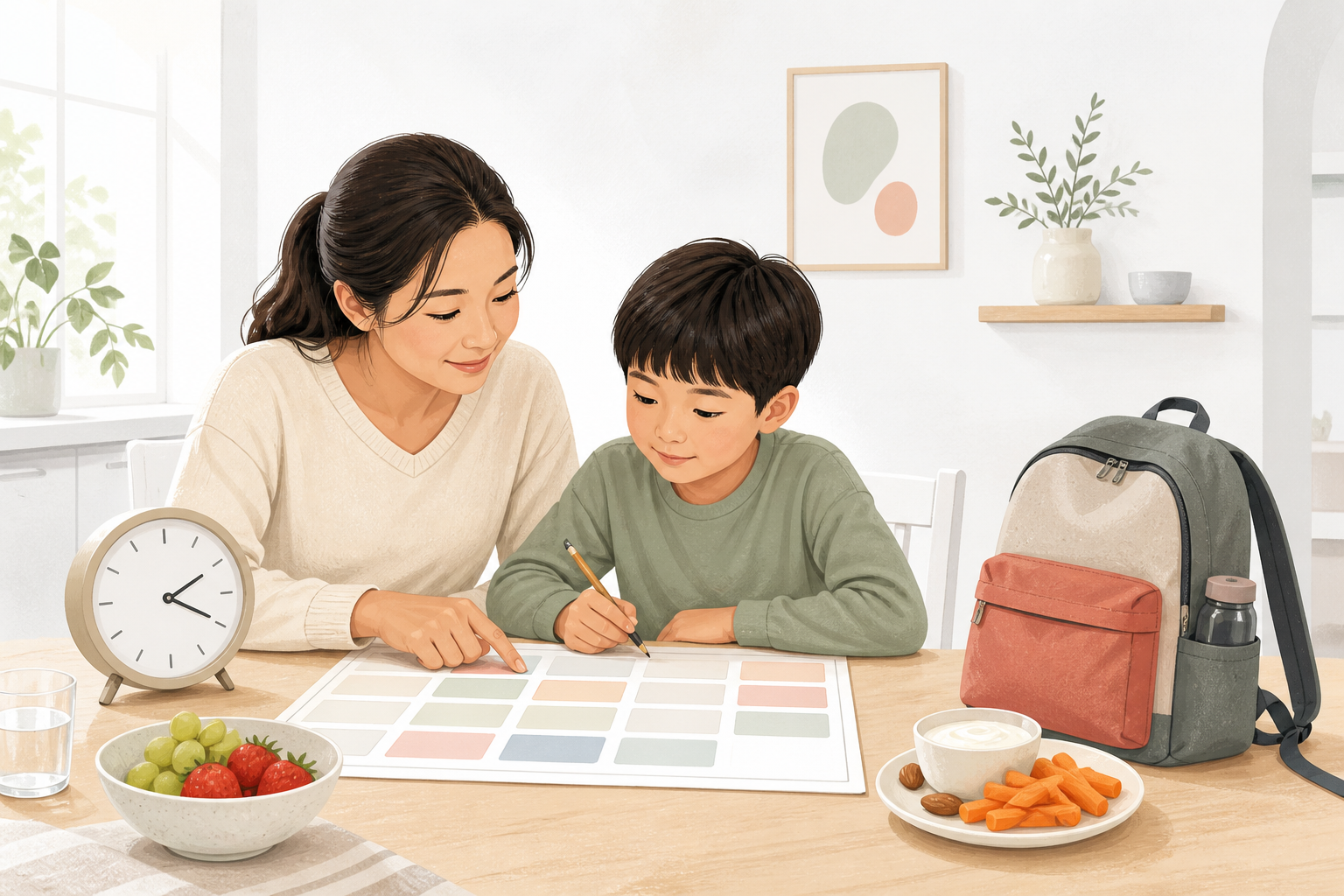
Quick answer: how should a child restart piano lessons?
- Choose a realistic return date. Put the first lesson or online session on the family calendar.
- Bring back one familiar song or activity. Start with recognition, not a difficult new assignment.
- Use short practice windows. A few focused minutes can rebuild the habit without making the first week feel heavy.
- Ask the teacher for a skill check. Identify what the child remembers and what needs a smaller review.
- Add one new goal. Once the child can start calmly and explain the routine, move forward from the current level.
The useful question is not “How much did my child forget?” It is “What can my child still do, and what is the smallest next step?”
What is normal after a break from piano?
A returning beginner may need extra time to find starting notes, remember a rhythm, coordinate two hands, or understand old markings. A familiar song may sound uneven at first. The child may remember how the piece goes but not how to begin it independently.
Look for signs of recognition before judging polish:
- The child remembers part of a song or pattern.
- A rhythm returns after clapping or counting it.
- The child recognizes where a section begins.
- A second try is easier than the first.
- The child can name something they want help remembering.
These signals show that the old learning is becoming accessible again. The first session does not need to prove that every skill remained unchanged.
Use a two-week piano restart plan
| Time | Main goal | Parent or teacher prompt |
|---|---|---|
| First session | Reconnect with one familiar musical idea | “Show me anything you remember.” |
| Days 2–4 | Repeat one short song section, rhythm, or pattern | “Which part became easier on the second try?” |
| End of week 1 | Name one comfortable skill and one review need | “What do you remember, and what should we ask about?” |
| Week 2 | Keep the familiar review and add one small new goal | “What is today’s one next step?” |
| End of week 2 | Choose the ongoing lesson and practice rhythm | “Which schedule was easiest to repeat?” |
This is a framework, not a test. A longer break, a younger beginner, or a change in lesson format may call for more review. The goal is to build a reliable starting point rather than rush toward the old stopping point.
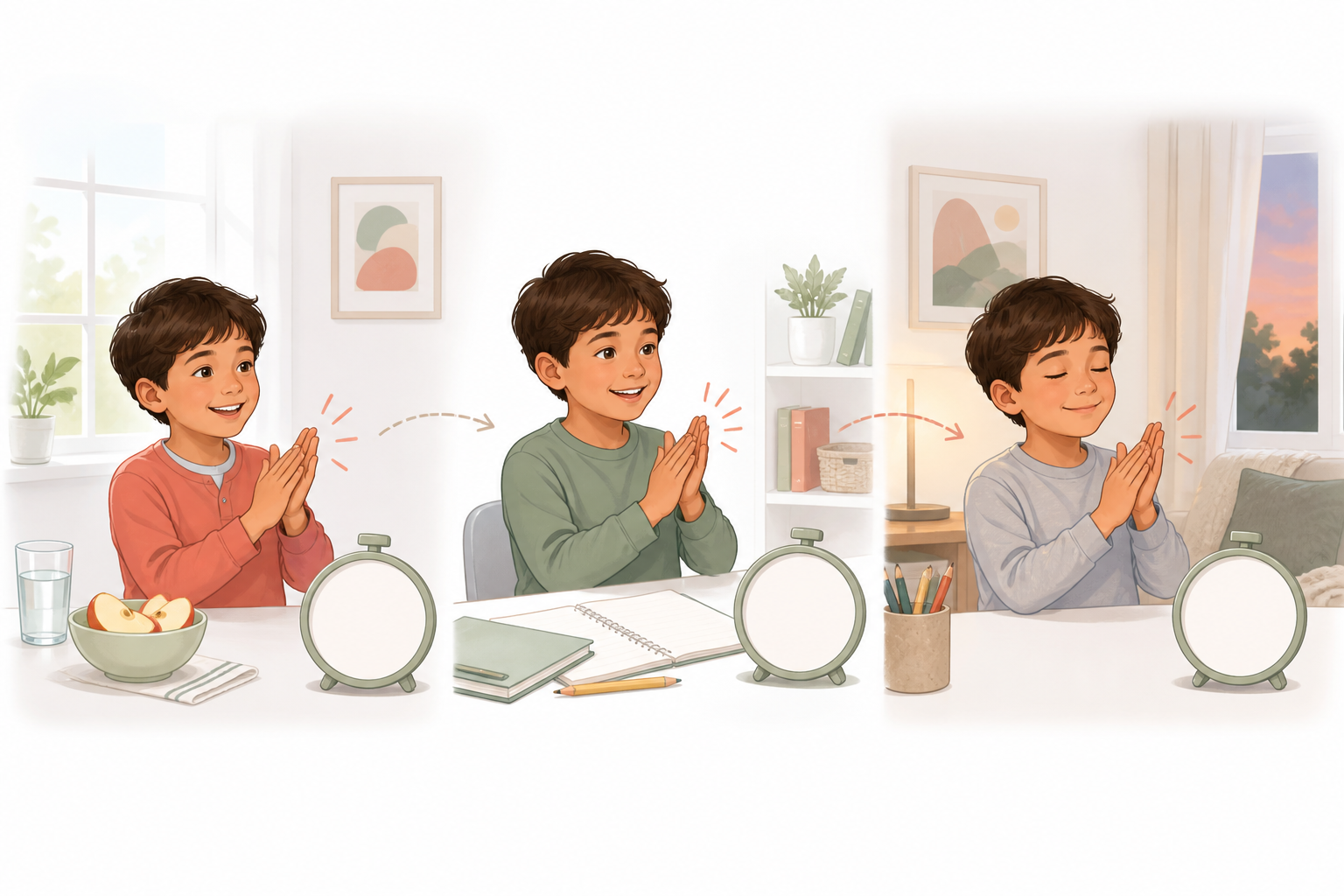
Choose the best time of day for the restart
The first weeks back are easier when practice happens during a usable energy window. Test two or three times instead of assuming there is one correct answer:
- After a snack and short reset: useful for a child who needs to decompress after school but still has afternoon energy.
- Before homework: helpful when academic work tends to expand and piano is repeatedly pushed to the end of the night.
- After homework or dinner: workable for a child who enjoys music as a change of pace and is not already exhausted.
- Weekend morning: a good catch-up option when weekday afternoons are unpredictable.
Use the same small task at two different times, then compare how easily the child starts, continues, and finishes. Choose the window that is most repeatable, not the one that looks best on paper.
If you need a broader weekly framework, the existing guide to fitting piano lessons into a busy school schedule can help you coordinate lessons, homework, activities, and a catch-up slot.
Start with familiar music, then make it smaller
Ask the child to choose one song, rhythm, or musical activity they remember positively. The choice does not have to be the most advanced material they previously played. A simple, recognizable success helps the child hear that their musical experience is still there.
If the familiar piece feels difficult, reduce the task:
- listen to the song before playing;
- clap or count the rhythm away from the instrument;
- find only the starting place;
- play one hand or one short pattern;
- repeat two measures instead of the entire song; or
- end with the easiest section the child remembers.
“Start over from the beginning” is often too broad. “Find the starting place and play this short pattern twice” gives the child a finish line.
What should parents tell the piano teacher?
Give the teacher practical information without labeling the child as behind. Share how long the break lasted, what the child enjoyed before it, what still feels familiar, and where the restart became confusing.
Useful questions include:
- Which skills should we check before choosing new material?
- What familiar song or activity would make a good first-week review?
- What should the smallest home assignment be?
- How will we know the child is ready for the next level?
- Would the current lesson format still fit, or should we compare another option?
A good restart conversation produces one clear home task and one sign of readiness. It should not become a long list of everything the child has not yet recovered.
Should a child return to the same level?
Not automatically. The teacher or program should look at the child’s current rhythm, reading, coordination, song familiarity, and ability to follow the lesson routine. One child may need a brief review and then continue. Another may benefit from repeating part of a level with different songs or more support.
Repeating material is useful when it rebuilds control and confidence. It is less useful when the child is asked to complete a large block they already understand. Ask which specific skills the review is meant to strengthen and how the next step will be chosen.
The guide to what children can learn in the first year of piano lessons offers a skill-by-skill way to look at progress without treating the year as one pass-or-fail milestone.
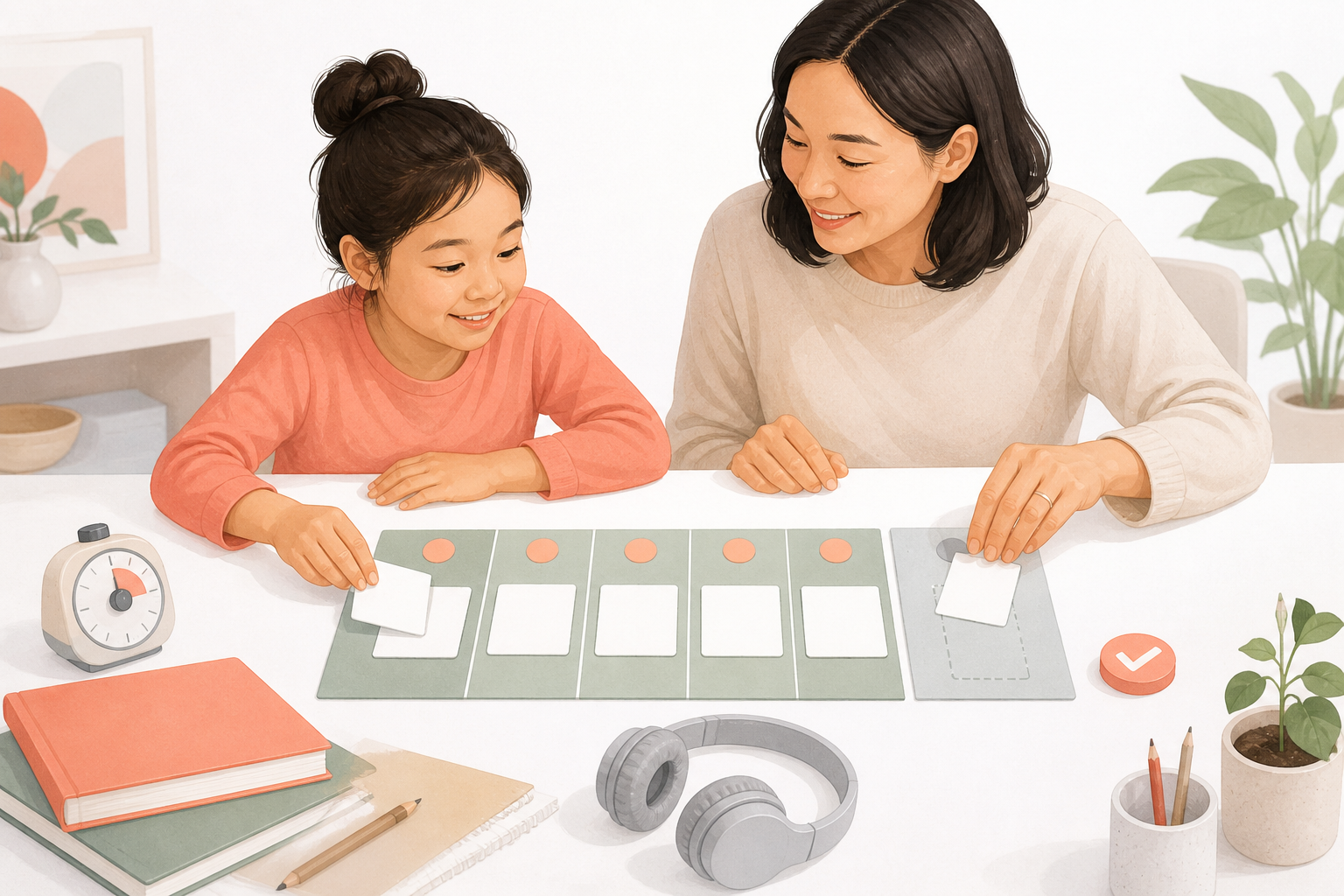
Build a flexible five-day return rhythm
A restart does not require five long practice sessions. Use five manageable contacts with music, with one day serving as an optional catch-up:
- Remember: play or listen to something familiar.
- Review: clap, count, or repeat the smallest difficult part.
- Reconnect: join two short sections or repeat the teacher’s main demonstration.
- Rebuild: add one small new challenge.
- Reflect: play the strongest part and choose one question for the next lesson.
If the week includes only three useful sessions, keep the sequence and continue where you left off. Do not turn missed days into a debt. Our detailed guide to how many days a week a child should practice piano explains how to adjust frequency without making every session longer.
Choose the return format that removes the real friction
After-school piano classes
A school-based class can fit families who want a dependable weekly routine connected to the school day. iPianoLab after-school classes commonly meet once weekly for one hour, with levels of six lessons. Keyboards, headphones, books, music, and learning materials are provided in class; students are encouraged to have a keyboard at home for practice.
Families looking for an available school program can explore iPianoLab after-school piano classes.
Online piano learning
An online path can help when transportation, changing schedules, or the need to replay instruction made the old routine difficult. The home setup still matters: keep the instrument ready, choose a repeatable time, and make the next lesson or activity easy to find.
Families who need more flexibility can review iPianoLab online learning.
Teacher-guided or private lessons
One-to-one support can be useful when the child needs a careful skill check, a different pace, or help rebuilding a specific area. Ask the teacher to separate review from new learning so the child understands both what is returning and what is new.
Signs the return plan is working
Do not measure the first two weeks only by song length or speed. Look for these practical changes:
- The child starts with fewer reminders.
- A familiar pattern returns more quickly.
- The child can explain the day’s small goal.
- A mistake leads to a slower retry instead of stopping.
- The lesson ends with a clear next step.
- The family has found at least one practice window it can repeat.
If none of these changes appears, do not simply add more time. Check whether the material, pace, schedule, lesson format, or teacher fit needs adjustment. Yesterday’s parent guide on what to do when a child wants to quit piano lessons can help you identify the specific source of resistance.
FAQ: restarting piano lessons after a break
How much piano will a child forget after a break?
It varies. A child may need time to retrieve starting notes, rhythms, reading patterns, or coordination, while still recognizing the song and musical ideas. Use a skill check and several short sessions before deciding what was retained.
Should my child practice before the first lesson back?
A brief, low-pressure return to one familiar song or rhythm can help, but it is not necessary to relearn everything before seeing the teacher. Bring questions and let the first lesson establish the current starting point.
How long should the first practice sessions be?
Long enough to complete one small, clear task. For a young or returning beginner, that may be only a few focused minutes. End after a successful repetition instead of extending the session until frustration appears.
What if my child says the old songs are boring?
Use one familiar section only as a quick skill check, then ask for a new song that uses a similar skill. Review should help the child move forward, not trap them in a complete replay of the old program.
Can online learning help a child return after a break?
It can help when replayable instruction, flexible timing, or a home-based routine addresses the reason the old schedule stopped. The child still needs a clear sequence, suitable material, and a manageable practice rhythm.
When should a child stop reviewing and start new material?
Start adding new material when the child can begin calmly, demonstrate the key review skill with reasonable control, and explain the next practice step. The teacher should choose the exact transition from the child’s current work rather than a fixed number of days.
Give the return a clear, encouraging next step
A break does not erase the child’s musical experience. Reconnect with what is familiar, make the first tasks small, find one repeatable time, and use the teacher or program to choose the next level from current evidence.
When your child is ready to return, Compare iPianoLab lesson options and choose the school-based, online, or teacher-guided path that fits your family now.