My Child Wants to Quit Piano Lessons: What Should Parents Do?
When a child says, “I want to quit piano,” do not decide in the middle of the hardest practice moment. First find out what the child wants to stop: the instrument, the current songs, the practice routine, the lesson format, the teacher relationship, or an overloaded schedule. Then choose a short, specific next step. A small adjustment, a planned trial period, or a respectful break can give you better information than either forcing the same routine or ending lessons immediately.
Children often use one big sentence to describe several different problems. “I hate piano” may mean “this song feels impossible,” “I do not know what to practice,” “I am tired after school,” or “I do not feel comfortable in the lesson.” Parents do not need to talk a child out of the feeling. The goal is to listen closely enough to identify what can actually change.

Should you let your child quit piano lessons?
Sometimes stopping is the right decision. Sometimes the child needs a different path rather than a complete ending. Before you decide, look at three questions:
- Is this a rough day or a repeated pattern? One frustrating assignment is different from weeks of dread, conflict, or disengagement.
- Is the problem piano itself or the current setup? Music choice, pace, practice instructions, lesson length, group size, schedule, and teacher fit can all affect motivation.
- Can one safe, reasonable change be tested? A seven-day reset or a short trial with clearer goals can show whether the problem is fixable.
This is not a test of willpower. A child can learn persistence without being required to remain in an arrangement that no longer fits. The useful question is: “What decision will help my child understand the problem, try a reasonable adjustment, and leave the experience with trust intact?”
Six common reasons children want to stop piano
1. Practice feels too hard or too vague
“Practice your song” is a large assignment for a beginner. A child may not know where to begin, how many times to repeat a section, or what “better” should sound like. When the task is unclear, avoidance can look like a lack of interest.
Replace one long instruction with a short sequence: clap two measures, play the right hand slowly, repeat one tricky change three times, and finish with a favorite song. Our guide to how many days a week a child should practice piano can help you build a routine that is regular without turning every day into a battle.
2. The music no longer feels meaningful
Fundamentals matter, but children also need a reason to use them. If every assignment feels like a drill, ask whether one recognizable song, creative activity, rhythm game, or choice-based project can sit beside the current skill work.
A song the child enjoys will not remove every challenge. It can make the reason for counting, reading, repeating, and coordinating much clearer. At iPianoLab, students play songs they enjoy early while building rhythm, note reading, two-hand coordination, melody, chords, and music literacy.
3. The pace is mismatched
A child may want to quit because lessons move so quickly that every week feels like catching up. The opposite can happen too: repeating material that is already comfortable can feel dull. Ask the teacher which skill is creating the bottleneck and what a smaller or more interesting next challenge would look like.
Progress is usually uneven. A child may read patterns confidently but need more time with rhythm or two-hand work. A skill-by-skill review is more useful than a broad label such as “ahead,” “behind,” or “not musical.” The article on what children can learn in the first year of piano lessons provides realistic checkpoints.
4. The schedule leaves no usable energy
A lesson or practice time can be technically available and still be a poor fit. Notice whether resistance is strongest after a long school day, just before dinner, near bedtime, or during a crowded activity week. Moving a ten-minute practice window may change more than adding another reminder.
Try one predictable time when the child is usually alert. Keep a catch-up option so one missed day does not become a family crisis. A routine should support learning, not make the child feel that piano is always taking something else away.
5. The lesson format or teacher fit is off
Some children gain energy from a group. Others need more individual pacing. Some respond well to direct correction; others first need a clearer demonstration or a smaller task. None of these preferences makes a child difficult.
Ask whether the child feels noticed, knows what to work on, and can describe at least one recent success. If the relationship or communication is the concern, use the parent checklist for knowing whether a piano teacher is a good fit. You can also compare group and private piano lessons for kids before changing the entire learning goal.
6. The child needs a genuine pause
Sometimes a child is tired, overscheduled, or ready to explore another activity. A planned break can be more useful than weeks of escalating conflict. Give the break a beginning, an end, and a simple review question: “Do you miss making music, want a different format, or feel ready to move on?”
If playing causes pain, persistent physical discomfort, or intense distress, stop the activity and address that concern rather than pushing through it. Ask the teacher to review the movement or lesson setup, and seek appropriate professional guidance when needed.
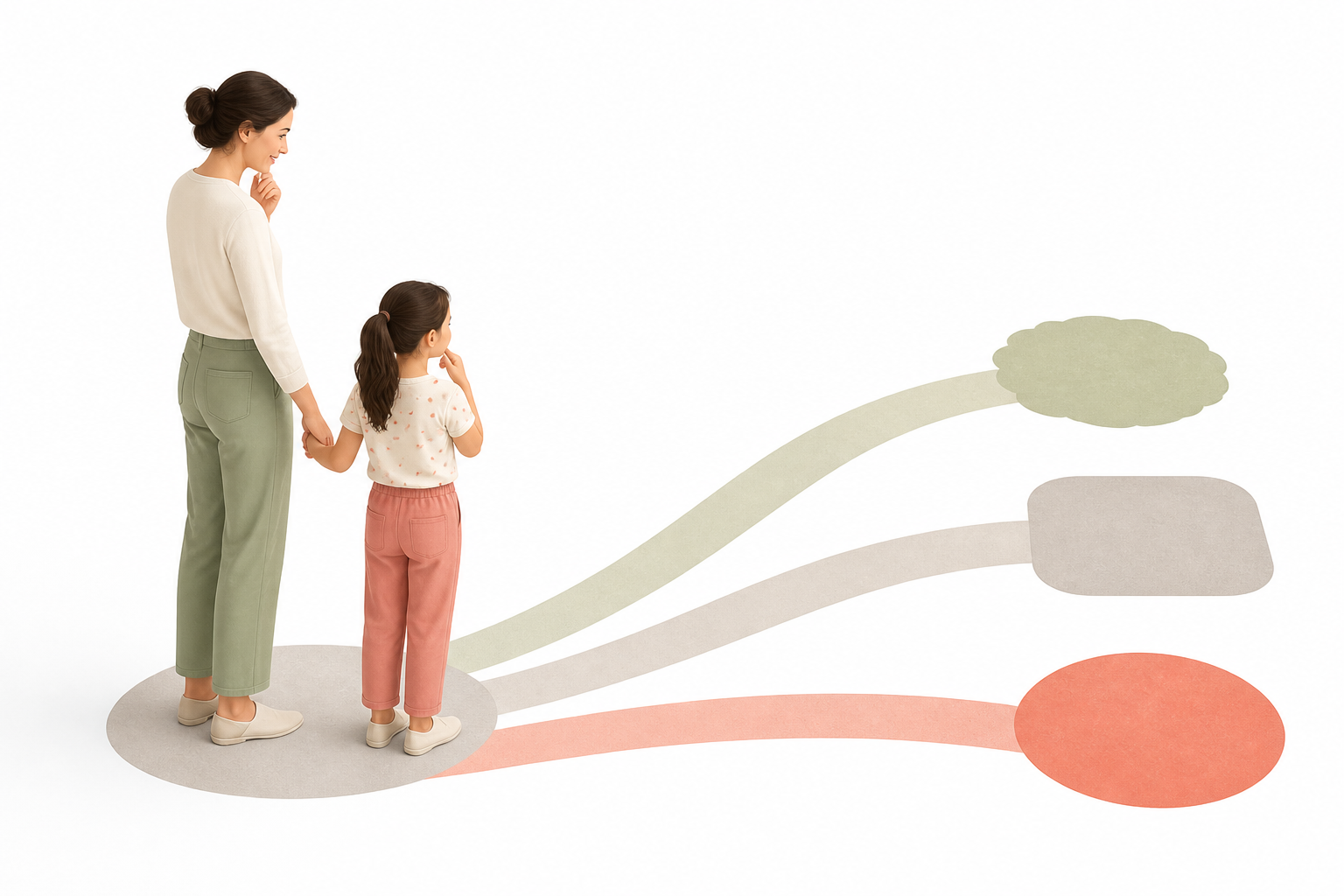
Try a seven-day piano motivation reset
A reset is not a trick to make a child continue. It is a short information-gathering period. For one week:
- Pause arguments. Tell your child you heard the concern and will test a different plan together.
- Name one problem. Choose the most specific issue: a confusing assignment, an unwanted song, a difficult time of day, or an uncomfortable lesson interaction.
- Shrink the task. Use one ten-minute or less practice goal that the child can explain back to you.
- Add one choice. Let the child choose the warm-up, order of tasks, favorite ending song, or day of the catch-up session.
- Notice the result. Track whether starting, continuing, and finishing become easier. Do not score every note.
- Share the evidence. Tell the teacher what improved and what remained hard.
- Decide the next trial. Continue the adjustment, test a different format, plan a break, or stop respectfully.
One week will not solve every motivation problem. It can separate a fixable routine problem from a deeper mismatch.
What to ask your child without turning it into a debate
Use short questions and allow silence. You are trying to understand, not build a case.
- What part of piano feels hardest right now?
- Is there any part you still like?
- Do you know what your teacher wants you to practice?
- Would a different song, pace, time, or lesson format help?
- Do you feel comfortable asking questions during lessons?
- Would you rather adjust the plan for two weeks, take a planned break, or stop?
Avoid asking, “Why are you giving up?” That wording assumes the decision before you know the cause. “What is making this hard?” is more likely to produce useful information.
Questions for the piano teacher
Approach the teacher as a problem-solving partner. Share what the child said without exaggerating it, then ask:
- Which skill is creating the most friction?
- What is one smaller assignment we can test this week?
- Can one preferred song or creative activity support the current goal?
- Does the lesson pace or format seem right for this child?
- What recent progress should the child be able to recognize?
- What would tell us that the adjustment is working?
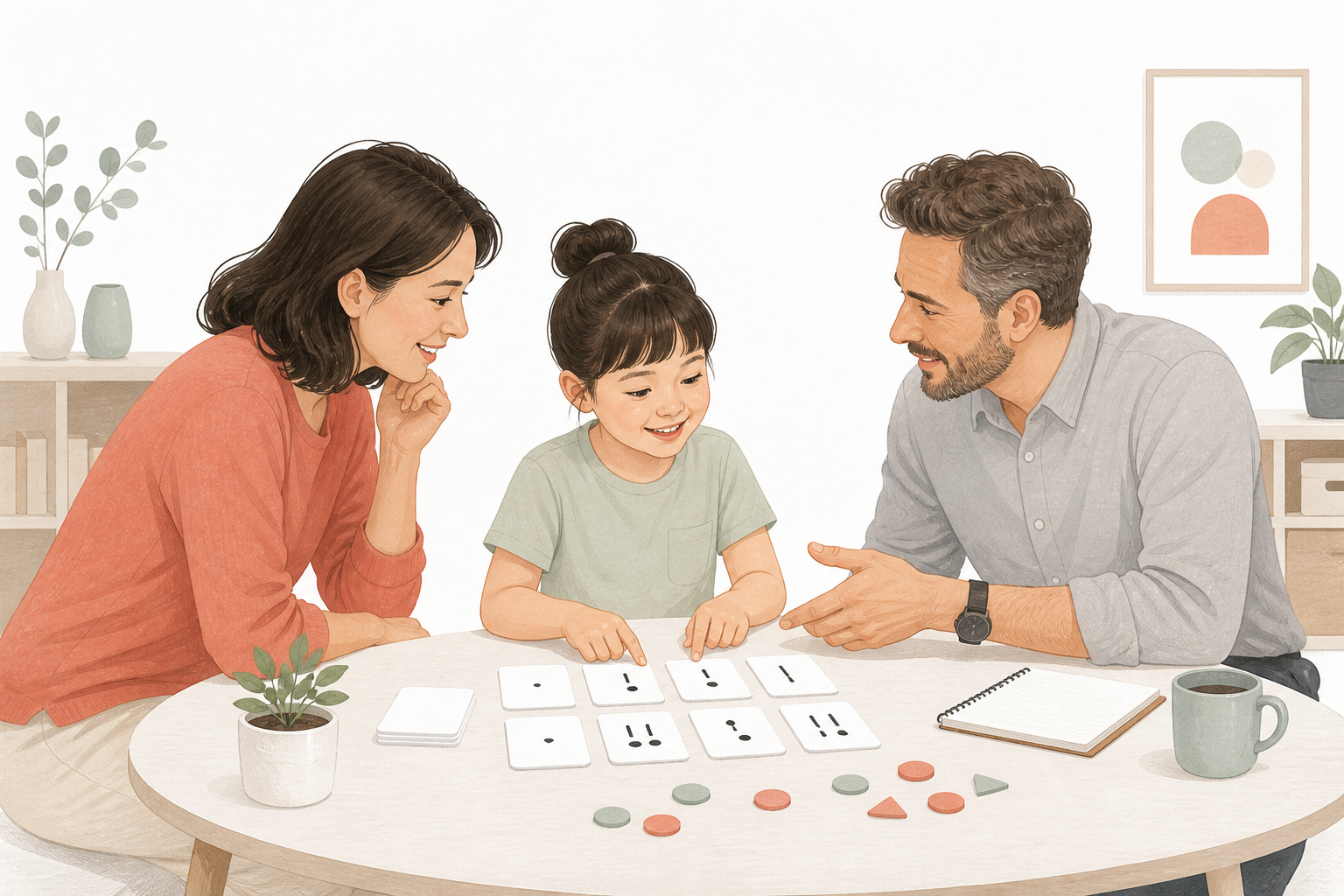
Pause, adjust, continue, or stop?
| What you notice | A reasonable next step | What to check |
|---|---|---|
| One difficult week, but the child still enjoys parts of music | Continue with one smaller goal | Does starting become easier when the task is clear? |
| Repeated resistance tied to songs, pace, schedule, or format | Adjust one variable for a short trial | Does participation improve without added pressure? |
| Overload or fatigue across several activities | Plan a time-limited break | Does interest return when the schedule settles? |
| Persistent dread, a poor-fit relationship, or no interest after reasonable changes | Consider changing teachers, formats, instruments, or stopping | Can the child explain the decision and leave respectfully? |
| Pain, physical discomfort, or intense distress | Stop and address the concern | Has the setup, movement, and needed support been reviewed? |
How to take a break without making it feel like failure
Choose a clear last lesson or end of a paid session, thank the teacher, and return borrowed materials. Keep the language neutral: “We are taking a break and will review it in October” is different from “You could not stick with it.” If the child wants to keep a favorite song, listening habit, or occasional music game, that can preserve a positive connection without turning the break into hidden practice.
When you review the break, ask what the child misses, what they do not miss, and whether a different path sounds interesting. A flexible home-based option may suit a family whose main problem is timing or transportation. Parents comparing that path can read what makes online piano lessons effective for kids.
Choose the next piano path with better information
A child who wants to quit is giving you information. Listen for the specific obstacle, test one reasonable change, and judge the result without shame or pressure. The goal is not to win one practice argument. It is to help the child build a healthy relationship with learning, effort, and music.
If a different format could make the next step more workable, explore iPianoLab signup options. Families who need a flexible home-based path can also learn about iPianoLab online learning.
FAQ: when a child wants to quit piano
How long should I make my child continue before deciding?
There is no universal number of weeks. Use a short, defined trial long enough to test one specific change, then review the result. Do not extend the trial indefinitely when the same serious concern continues.
Is refusing to practice a sign that piano is the wrong instrument?
Not necessarily. Refusal can come from a vague assignment, an unrealistic routine, difficult music, fatigue, or a lesson mismatch. Identify the cause before deciding that the instrument itself is the problem.
Should a child finish the term before quitting?
Finishing a paid term can provide a clear boundary when the situation is safe and manageable. It is not a rule that should override pain, significant distress, or another serious concern. Review the program’s current policies and talk with the teacher rather than making assumptions about refunds or commitments.
Would switching teachers help?
It may help when communication, pace, feedback style, or trust is the main problem. Ask the child and teacher specific questions first. If the concern remains, compare another teacher or format instead of assuming every piano lesson will feel the same.
Can online piano learning help a child who wants to quit?
It can help when schedule flexibility, replayable instruction, or a different pace addresses the real obstacle. It will not fix every motivation issue. The child still needs a clear path, suitable material, feedback or support when needed, and a manageable home routine.
A respectful decision can be to continue, adjust, pause, or stop. What matters is that the family understands why and chooses the next step deliberately.