Why Does My Child Forget Sharps and Flats on Piano?
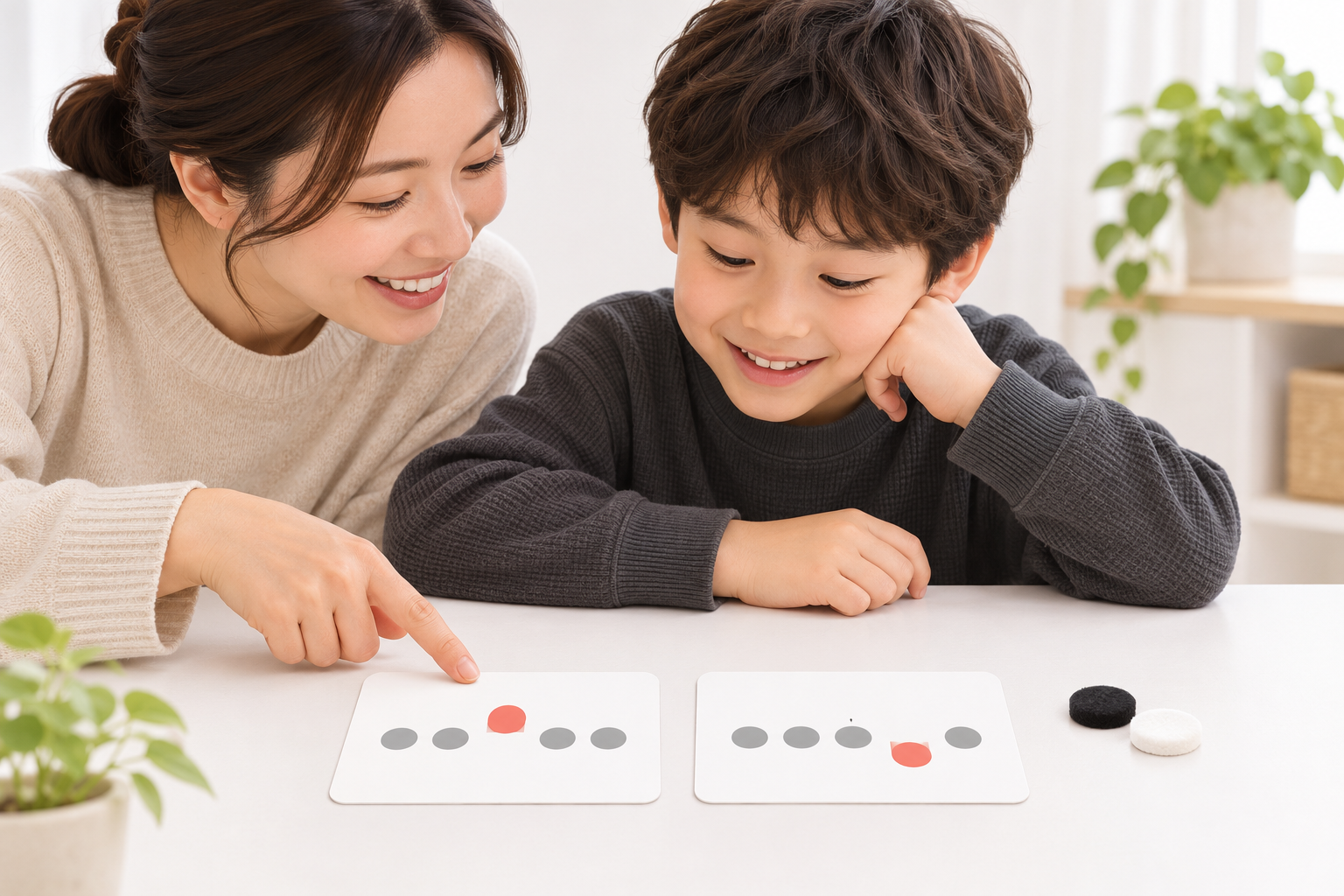
A child may play the correct note pattern and still miss a sharp or flat because reading the symbol, finding the changed key, choosing a finger, and keeping the rhythm are still separate jobs. The useful response is not to repeat the whole song faster. Help your child check the measure, locate one changed note, and replay a tiny section.
Sharps and flats are easy to overlook when a beginner is already working hard to read the staff. A child may recognize the note letter but forget that the symbol changes which key to play. They may also remember the change once, then lose it when the same note appears again later in the measure.
Why do beginners miss sharps and flats?
New piano music asks a child to manage several kinds of information at the same time. The child may be watching note direction, counting, remembering fingers, and moving between hands. A small symbol beside a note or at the beginning of the line can disappear from attention even when the child has seen it before.
- The child reads only the note letter. They find the familiar white key before noticing that the symbol changes the target.
- The starting position is uncertain. If the hand begins in the wrong place, the altered note may feel like another unrelated correction.
- The practice section is too long. Repeating a whole page hides the one measure where the symbol matters.
- The tempo is faster than the planning. The finger moves before the child has time to check the notation.
- The rule is not yet secure. The child may know that a sharp usually moves to the next key on the right and a flat to the next key on the left, but still need the teacher to clarify how that symbol applies in the assigned music.
Missing an accidental does not mean the child is careless. It tells you that the written cue and the keyboard location are not connected automatically yet.
First identify what your child is actually forgetting
These problems can sound alike but need different responses:
| What you notice | Likely practice need |
|---|---|
| The child plays the familiar white key every time | Pause before playing and identify the changed target key |
| The first changed note is correct, but a later one is missed | Check the full measure and ask the teacher how long the change applies |
| The child chooses the correct key alone but misses it in the phrase | Practice one note before and one note after the target |
| The entire hand position is shifted | Confirm the starting note and finger before working on the accidental |
| The child is unsure whether the symbol belongs to this note | Stop guessing and bring the exact measure to the teacher or lesson resource |
A five-minute “check, place, replay” routine
Use one short measure from the assigned song. Keep the child’s teacher markings and fingering unchanged.
- Check the symbol. Before touching the keys, ask your child to point to the sharp or flat and then point to the note it changes.
- Find the ordinary note. Let the child locate the note they would play without the symbol. This makes the change easier to compare.
- Place the changed key. Find the nearby key indicated by the symbol. Do not play the whole measure yet.
- Replay three notes. Play one note before the target, the changed note, and one note after it at a calm pace.
- Return to the measure. Try the complete short measure once, then ask which visual cue helped the child remember.
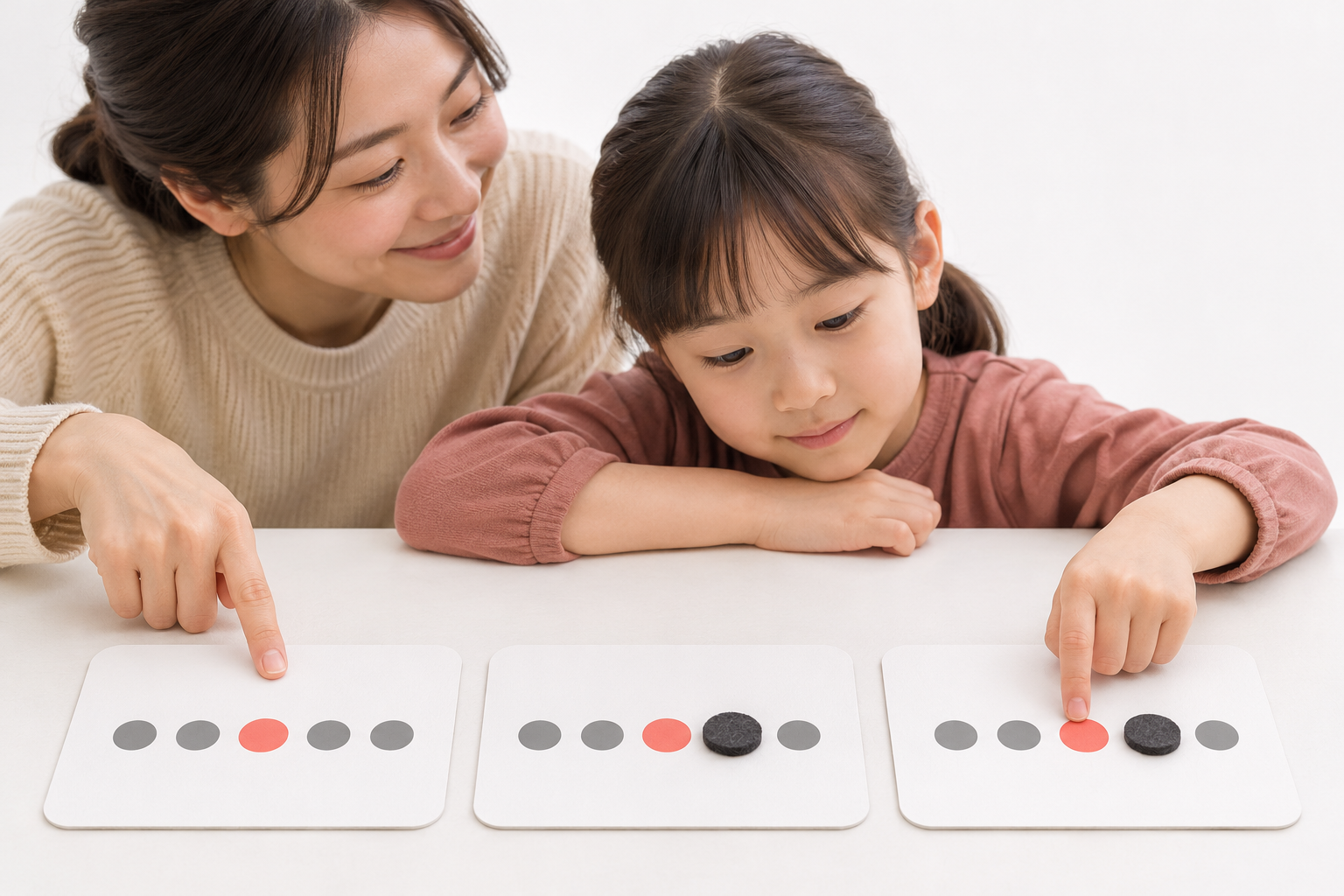
Two careful repetitions are enough for this check. If the symbol is still confusing, write down the exact measure and ask the teacher. Repeated guessing can make the wrong key feel more familiar.
Should parents write in every sharp or flat?
Usually, adding more marks everywhere makes the page harder to read. If the teacher agrees, one temporary reminder near the difficult measure may help. Remove it once the child can notice the printed symbol independently.
Avoid writing note names over the entire page. iPianoLab’s guide to writing note names in a child’s piano music explains why a small landmark is more useful than replacing the reading task.
What should a parent say?
Use questions that direct attention without supplying every answer:
- “What changes in this measure?”
- “Which note does that symbol belong to?”
- “Can you find the ordinary note first, then the changed key?”
- “Does the mistake happen on the target note or on the move into it?”
- “What should we ask your teacher if this still feels unclear?”
Avoid “You forgot again” or “You know this.” Those phrases describe failure but do not give the child a next step.
When should the piano teacher take the lead?
Ask the teacher when your child cannot tell which note the symbol changes, the same accidental remains confusing across several short sessions, the printed fingering feels awkward, or the child is unsure how a sharp or flat applies later in the measure. Bring the exact page and measure rather than saying the whole song is wrong.
A precise observation helps: “The first F-sharp is correct alone, but the next one in the measure becomes F-natural,” or, “The child sees the flat but cannot find the nearby key without guessing.” The teacher can then check the notation rule, starting position, fingering, and reading level.
How this skill grows
Music reading develops by connecting symbols with sound and movement in manageable steps. iPianoLab’s beginner guidance combines note reading with keyboard geography, rhythm, counting, songs, and two-hand coordination. A child does not need to master every symbol before making music, but each new cue should become part of a clear musical action.
The goal is not a child who never misses a symbol. It is a child who can notice a changed note, locate the exact measure, test a smaller solution, and return to the music with less prompting.
Find a clear beginner piano path
Looking for a beginner piano path with clear weekly steps? Find an iPianoLab school class.